Simbramento is gaining attention across different fields, yet many people still struggle to fully understand its scope and relevance. Whether discussed in technical environments, cultural contexts, or emerging digital frameworks, simbramento represents a concept that blends structure, adaptation, and transformation. This guide breaks down its meaning, applications, and practical value with a clear, research-driven approach.
What Is Simbramento and Why It Matters
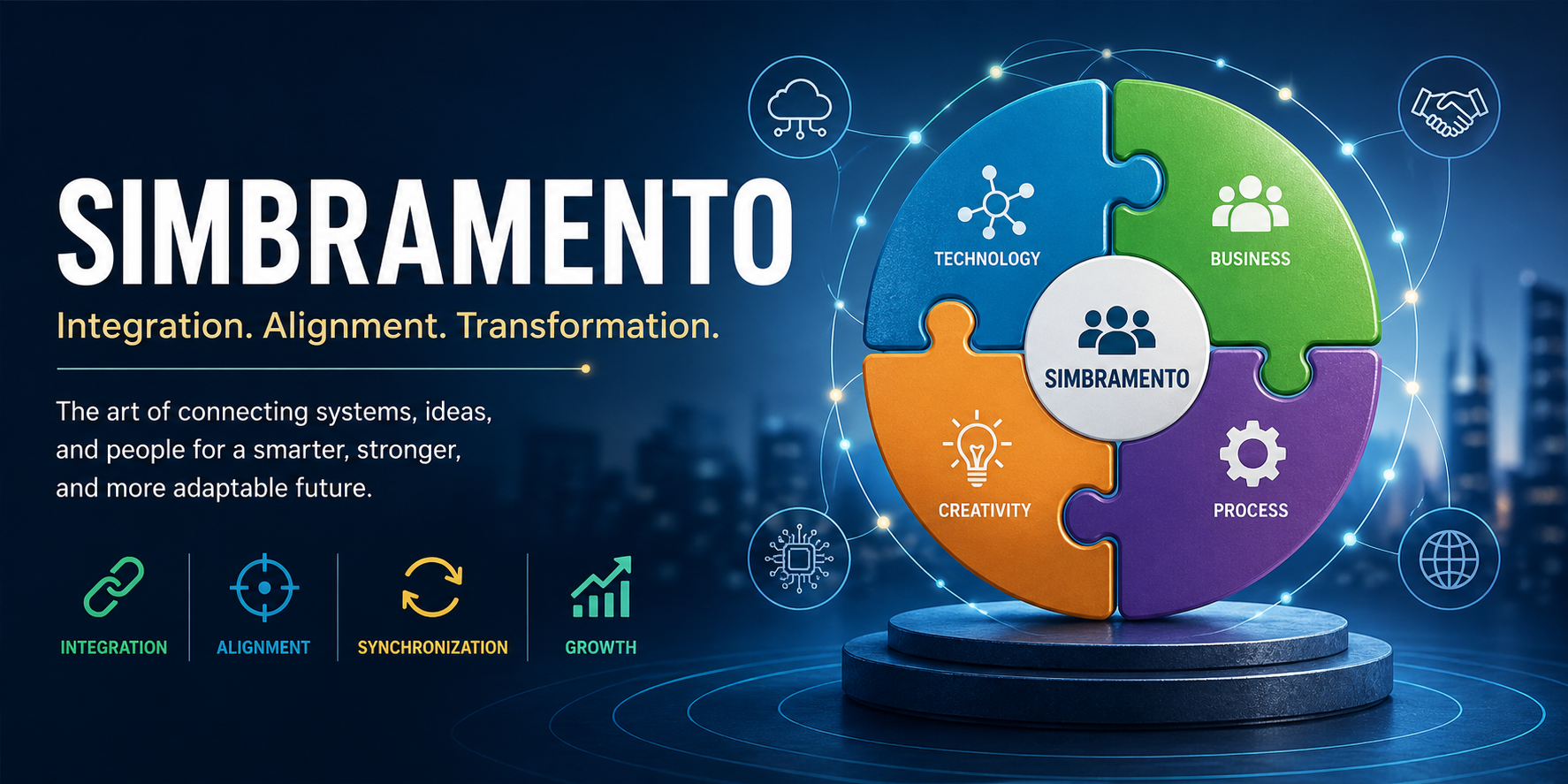
Simbramento refers to a structured process of alignment, integration, or synchronization between systems, ideas, or environments. It often appears in contexts where multiple elements must work together efficiently without losing their individual characteristics.
At its core, simbramento focuses on balance. It allows systems to operate cohesively while maintaining flexibility. This is why the concept has become increasingly relevant in modern environments where complexity is the norm.
Understanding simbramento matters because it provides a framework for solving problems that involve coordination. From organizational workflows to digital systems, the ability to harmonize different parts into a unified structure can significantly improve performance and outcomes.
The Origins and Evolution of Simbramento
Historical Context Behind Simbramento
The concept of simbramento did not emerge overnight. It evolved from earlier theories of system integration and structural alignment. In earlier stages, similar ideas appeared in engineering, architecture, and even philosophical discussions about harmony and balance.
Over time, simbramento began to take on a more defined role, especially as industries became more interconnected. The need for systems to communicate and adapt to one another pushed the idea into practical use.
Modern Interpretation and Growth
In today’s environment, simbramento is interpreted through a more dynamic lens. It is no longer limited to physical systems but extends into digital ecosystems, organizational strategies, and even personal development.
The evolution reflects a shift from rigid structures to adaptive frameworks. This shift has made simbramento a key concept in understanding how modern systems operate efficiently under constant change.
Core Principles of Simbramento
Integration Without Loss of Identity
One of the defining principles of simbramento is the ability to integrate components without stripping them of their uniqueness. This ensures that each part contributes its strengths while still fitting into the larger system.
This principle is especially important in collaborative environments where diversity of function or thought drives innovation.
Adaptive Synchronization
Simbramento is not static. It involves continuous adjustment and synchronization based on changing conditions. This adaptive nature allows systems to remain effective even when external variables shift.
Efficiency Through Alignment
Another key aspect is the focus on efficiency. By aligning processes, resources, or ideas, simbramento reduces redundancy and enhances productivity. It creates a streamlined approach that minimizes friction between components.
Applications of Simbramento Across Different Fields
Simbramento in Technology
In technology, simbramento plays a vital role in system integration. Software platforms, networks, and applications rely on seamless interaction to function properly. Simbramento ensures that these elements communicate effectively.
For example, cloud computing environments depend heavily on simbramento to synchronize data across multiple servers. Without proper alignment, performance issues and data inconsistencies can arise.
Simbramento in Business Strategy
Businesses use simbramento to align departments, processes, and goals. It helps organizations maintain consistency while adapting to market changes.
When applied correctly, simbramento can improve decision-making, enhance collaboration, and increase operational efficiency. It also supports scalability, allowing businesses to grow without losing structure.
Simbramento in Creative and Cultural Contexts
In creative industries, simbramento can describe the blending of styles, ideas, or influences. Artists, designers, and creators often use this concept to produce work that feels cohesive yet diverse.
This application highlights the flexibility of simbramento. It is not limited to technical systems but extends into areas where harmony and balance are essential.
How Simbramento Works in Practice
Step-by-Step Implementation
Applying simbramento requires a clear understanding of the elements involved and how they interact. The process typically begins with identifying the components that need alignment.
Next comes analysis. Each component is evaluated to determine its role, strengths, and potential conflicts. This step is crucial for creating a balanced system.
Finally, integration takes place. Components are aligned in a way that maximizes efficiency while preserving their individual contributions. Continuous monitoring ensures that the system remains effective over time.
Common Challenges in Simbramento
Despite its benefits, simbramento is not without challenges. One common issue is resistance to change. Systems or individuals may struggle to adapt to new structures.
Another challenge is over-integration. Trying to force too much alignment can lead to rigidity, reducing flexibility and innovation.
Addressing these challenges requires careful planning and a willingness to adjust strategies as needed.
Benefits of Using Simbramento
Improved Coordination and Collaboration
Simbramento enhances coordination by creating clear connections between components. This leads to better collaboration, as each part understands its role within the system.
Increased Efficiency
By reducing redundancy and streamlining processes, simbramento improves overall efficiency. This can lead to cost savings and better resource utilization.
Greater Adaptability
The adaptive nature of simbramento allows systems to respond effectively to change. This is particularly valuable in fast-paced environments where flexibility is essential.
Why Simbramento Is Relevant Today
Growing Complexity in Systems
Modern systems are more complex than ever. Whether in technology, business, or society, multiple components must work together seamlessly. Simbramento provides a framework for managing this complexity.
Demand for Integration
As industries become more interconnected, the need for integration continues to grow. Simbramento addresses this need by offering a structured approach to alignment.
Focus on Sustainable Growth
Sustainability requires balance and efficiency. Simbramento supports these goals by ensuring that systems operate cohesively without unnecessary waste.
Future Trends in Simbramento
Integration with Artificial Intelligence
As artificial intelligence continues to evolve, simbramento will play a key role in integrating AI systems with existing frameworks. This will enable more advanced and efficient solutions.
Expansion into New Industries
The concept of simbramento is likely to expand into new areas, including healthcare, education, and environmental management. Its adaptability makes it suitable for a wide range of applications.
Emphasis on Human-Centric Design
Future developments will likely focus on making simbramento more human-centric. This means designing systems that not only function efficiently but also enhance user experience.
Key Takeaways from Simbramento
- Simbramento focuses on aligning systems, ideas, or processes for better efficiency and balance.
- It allows integration without losing the unique identity of each component.
- The concept applies across technology, business, and creative fields.
- Adaptive synchronization ensures systems remain effective under changing conditions.
- Proper implementation requires careful analysis, integration, and continuous monitoring.
- Simbramento improves coordination, reduces redundancy, and enhances productivity.
- It supports scalability and sustainable growth in complex environments.
- Challenges include resistance to change and over-integration.
- Future trends highlight its role in AI integration and human-centered design.
- Its relevance continues to grow as systems become more interconnected.
Conclusion
Simbramento stands as a powerful concept for understanding how different elements can work together in harmony. Its emphasis on balance, integration, and adaptability makes it highly relevant in today’s interconnected world. By applying simbramento effectively, individuals and organizations can create systems that are not only efficient but also resilient and flexible.
Also Read: Messagenal: A Complete Guide to Its Features, Uses, and Benefits