A confident smile can influence personal relationships, career opportunities, and daily self-esteem. That is why many people searching for orthodontic treatment start with one important question: how much are braces? The answer depends on several factors, including the type of braces, treatment complexity, dentist location, and insurance coverage.
Modern orthodontics offers far more choices than traditional metal brackets. Patients can now choose ceramic braces, lingual braces, or nearly invisible clear aligners. Each option comes with unique pricing, advantages, and maintenance needs. Understanding these differences helps families and adults make financially smart decisions before starting treatment.
This detailed guide explains average costs, hidden expenses, insurance options, financing plans, and ways to reduce treatment expenses without sacrificing quality care.
How Much Are Braces for Different Types?
Orthodontic treatment pricing varies significantly depending on the technology and materials used. Some braces prioritize affordability, while others focus on appearance and comfort.
Traditional Metal Braces Cost
Metal braces remain the most common orthodontic treatment worldwide. They use stainless steel brackets and wires to gradually move teeth into proper alignment.
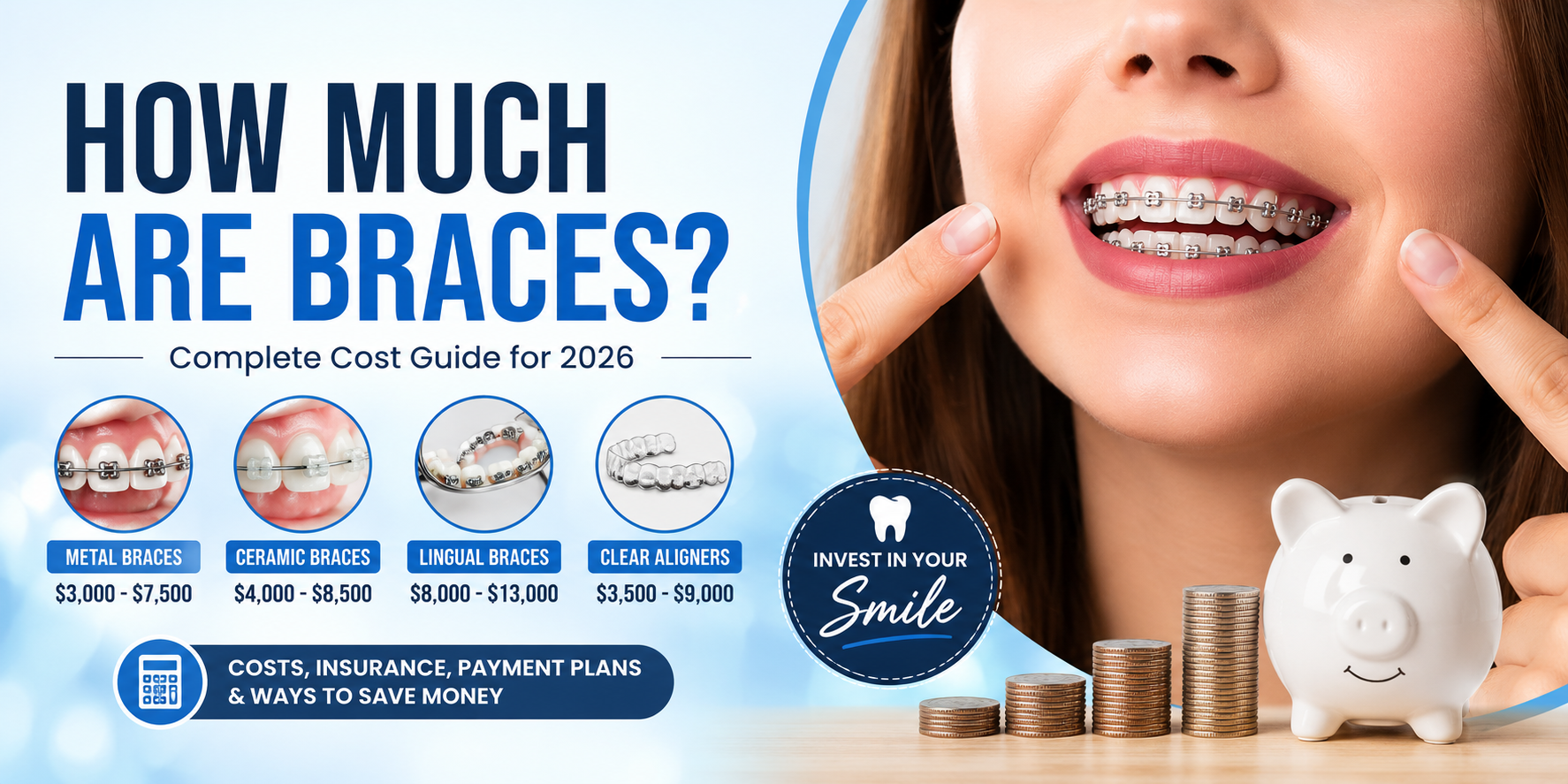
Patients asking how much are braces for standard metal systems can expect prices between $3,000 and $7,500. Children and teenagers often receive lower quotes because treatment tends to be simpler at younger ages.
Metal braces are usually the most budget-friendly option because orthodontists have decades of experience using them. Repairs are easier, and treatment times are often predictable. While the appearance is more noticeable, modern brackets are much smaller than earlier designs.
Ceramic Braces Price Range
Ceramic braces function similarly to metal braces but use tooth-colored or clear brackets. They blend better with natural teeth, making them popular among adults and college students.
The average cost typically ranges from $4,000 to $8,500. Many people researching how much are braces choose ceramic systems because they balance effectiveness with improved aesthetics.
Ceramic brackets can stain if patients consume excessive coffee, tea, or colored beverages. They are also slightly more fragile than metal versions, which may increase maintenance visits.
Lingual Braces Expenses
Lingual braces attach behind the teeth instead of the front. This placement makes them nearly invisible during conversation and photos.
Because installation requires advanced orthodontic skill and customized equipment, prices usually range between $8,000 and $13,000. Patients interested in discreet treatment often discover that how much are braces changes dramatically when invisibility becomes a priority.
Speech adjustments and tongue irritation are common during the first few weeks. However, many professionals choose lingual braces because they maintain a natural appearance throughout treatment.
Clear Aligners and Invisalign Costs
Clear aligners have transformed orthodontic care over the last decade. Systems like Invisalign use removable transparent trays instead of brackets and wires.
Most treatments cost between $3,500 and $9,000 depending on complexity and treatment length. Mild alignment problems usually require fewer trays, lowering total expenses.
People comparing aligners with traditional systems often ask how much are braces versus removable trays. The difference is not always large. In some cases, aligners cost nearly the same as ceramic braces.
Factors That Affect Braces Pricing
Two patients rarely receive identical orthodontic quotes. Several important factors influence overall treatment expenses.
Severity of Dental Problems
Simple crowding or spacing issues usually cost less than major bite corrections. Severe overbites, underbites, and jaw alignment problems often require longer treatment plans and specialized adjustments.
Orthodontists calculate pricing partly based on treatment duration. Cases requiring two or three years naturally cost more than treatments lasting twelve months.
Age of the Patient
Children often receive earlier intervention because jawbones are still developing. Younger patients may respond faster to treatment, reducing total appointments and adjustments.
Adults sometimes require additional procedures, including tooth extractions or gum treatments before braces begin. These added services increase the overall investment.
Geographic Location
Orthodontic prices vary heavily by region. Large metropolitan areas generally charge higher fees because of office rent, staffing costs, and local demand.
A patient in a small town may pay thousands less than someone receiving similar treatment in a major city. This explains why answers to how much are braces can differ widely across locations.
Orthodontist Experience
Highly experienced orthodontists with advanced certifications often charge premium rates. Their expertise may improve treatment precision and reduce complications, which many patients consider worthwhile.
Specialists using advanced digital imaging, AI treatment planning, and 3D scanning technology may also include those costs in pricing.
How Much Are Braces With Insurance?
Dental insurance can significantly reduce orthodontic expenses, although coverage varies by provider and plan type.
Typical Orthodontic Insurance Coverage
Many dental insurance plans cover between 25% and 50% of orthodontic treatment costs. Lifetime orthodontic maximums commonly range from $1,000 to $3,500.
For example, if braces cost $6,000 and insurance contributes $2,000, the patient remains responsible for the remaining balance.
Families researching how much are braces should carefully review annual deductibles, waiting periods, and age restrictions. Some plans only cover patients under 18.
Flexible Spending Accounts and HSAs
Flexible Spending Accounts (FSAs) and Health Savings Accounts (HSAs) allow patients to use pre-tax income for eligible medical expenses.
Many orthodontic treatments qualify under these programs, reducing effective costs through tax savings. This approach helps families manage monthly payments more comfortably.
Medicaid and Government Programs
In some cases, Medicaid covers braces for children when orthodontic treatment is considered medically necessary. Severe bite problems affecting speech, chewing, or jaw function may qualify.
Cosmetic orthodontics usually does not receive government support. Approval requirements vary by state and healthcare system.
Hidden Costs Associated With Braces
Patients often focus only on the quoted treatment fee. However, additional expenses can appear during the process.
Consultation and Diagnostic Fees
Some orthodontists offer free consultations, while others charge separately for X-rays, digital scans, and treatment planning.
Diagnostic costs may range from $100 to $500 depending on technology used.
Retainers After Treatment
Retainers help maintain tooth alignment after braces are removed. Without them, teeth may gradually shift back into previous positions.
Retainer costs typically range from $150 to $1,000 depending on style and replacement frequency.
Emergency Repair Visits
Broken brackets, damaged wires, or lost aligners may require extra appointments. Some orthodontists include repairs in the original price, while others charge separately.
Patients asking how much are braces should always confirm whether emergency visits are covered.
Monthly Payment Plans for Braces
Many orthodontic clinics understand that upfront payment is difficult for families. Flexible financing has become standard in the industry.
Interest-Free Financing Options
Numerous clinics provide in-house payment plans with little or no interest. Monthly installments often range between $100 and $300 depending on total treatment cost.
These plans make orthodontics accessible for middle-income households without requiring large savings.
Third-Party Healthcare Financing
Companies specializing in medical financing allow patients to spread costs over several years. Longer repayment terms reduce monthly pressure but may increase total interest paid.
Before signing financing agreements, patients should compare rates carefully and review hidden fees.
Are Braces Worth the Cost?
Orthodontic treatment is not only cosmetic. Properly aligned teeth improve oral health, chewing efficiency, and speech clarity.
Long-Term Dental Health Benefits
Crooked teeth are harder to clean effectively, increasing the risk of cavities and gum disease. Bite problems can also create uneven tooth wear and jaw strain.
Correcting alignment issues early may prevent more expensive dental procedures later in life.
Confidence and Psychological Impact
Many patients report improved confidence after orthodontic treatment. Adults who avoided smiling in photos often feel more comfortable socially and professionally after braces.
This emotional value cannot always be measured financially, yet it strongly influences treatment decisions.
Ways to Save Money on Braces
Orthodontic treatment can be expensive, but several strategies may reduce overall costs.
Compare Multiple Orthodontists
Consulting several providers helps patients understand average regional pricing. Some clinics include retainers and repairs within treatment packages, while others bill separately.
Comparing details rather than focusing only on the lowest quote helps avoid future surprises.
Dental Schools and Training Clinics
University dental programs sometimes offer discounted orthodontic care supervised by licensed specialists.
Treatment may take longer because students perform procedures under instruction, but savings can be substantial.
Start Treatment Early
Early orthodontic evaluation allows dentists to identify developing problems before they become severe. Simpler cases generally cost less and require shorter treatment periods.
Families asking how much are braces for children often discover that early intervention lowers future expenses significantly.
Choosing the Right Braces for Your Budget
Selecting braces involves balancing cost, appearance, comfort, and treatment efficiency. Some patients prioritize affordability, while others value nearly invisible systems.
Metal braces remain the strongest option for complex corrections. Ceramic braces offer improved aesthetics. Lingual braces provide maximum discretion, while clear aligners focus on convenience and removability.
The ideal choice depends on lifestyle, treatment goals, and financial flexibility. Consulting a qualified orthodontist helps determine which option delivers the best long-term value.
Quick Key Takeaways
- Traditional metal braces usually cost between $3,000 and $7,500.
- Ceramic braces and clear aligners generally cost more because of cosmetic advantages.
- Insurance may reduce orthodontic expenses by thousands of dollars.
- Retainers, repairs, and diagnostic visits can increase total treatment costs.
- Financing plans help patients spread payments over time.
Important Things to Remember Before Starting Treatment
- Always request a detailed written estimate before agreeing to treatment.
- Ask whether emergency visits and retainers are included in pricing.
- Compare multiple orthodontists instead of choosing the first quote.
- Consider long-term dental health benefits alongside cosmetic improvements.
- Early orthodontic care may lower future treatment complexity and expenses.
Orthodontic treatment represents a major financial commitment, but it can also improve oral health, confidence, and quality of life for many years. Understanding exactly how much are braces helps patients make informed choices and prepare financially before beginning treatment.
You May Also Read: How Much Do Veneers Cost? Full Pricing Guide for 2026