Dental veneers have become one of the most requested cosmetic dental treatments because they can dramatically improve a smile in a short period of time. Patients choose veneers to correct discoloration, uneven spacing, chipped teeth, worn enamel, and minor alignment issues without extensive orthodontic work. One question almost everyone asks before booking a consultation is simple: how much do veneers cost?
The answer depends on several important factors, including the material used, the number of teeth treated, the dentist’s experience, geographic location, and whether additional dental work is needed before placement. Some patients spend a few hundred dollars per tooth for temporary or composite options, while others invest thousands in premium porcelain veneers designed to last well over a decade.
Understanding the real cost behind veneers helps patients avoid surprises and make smarter decisions about long-term oral health and cosmetic goals.
How Much Do Veneers Cost on Average?
The average cost of veneers varies significantly depending on the type selected. Composite veneers are usually the most affordable option, while porcelain veneers sit at the higher end of cosmetic dentistry pricing.
Composite Veneers Pricing
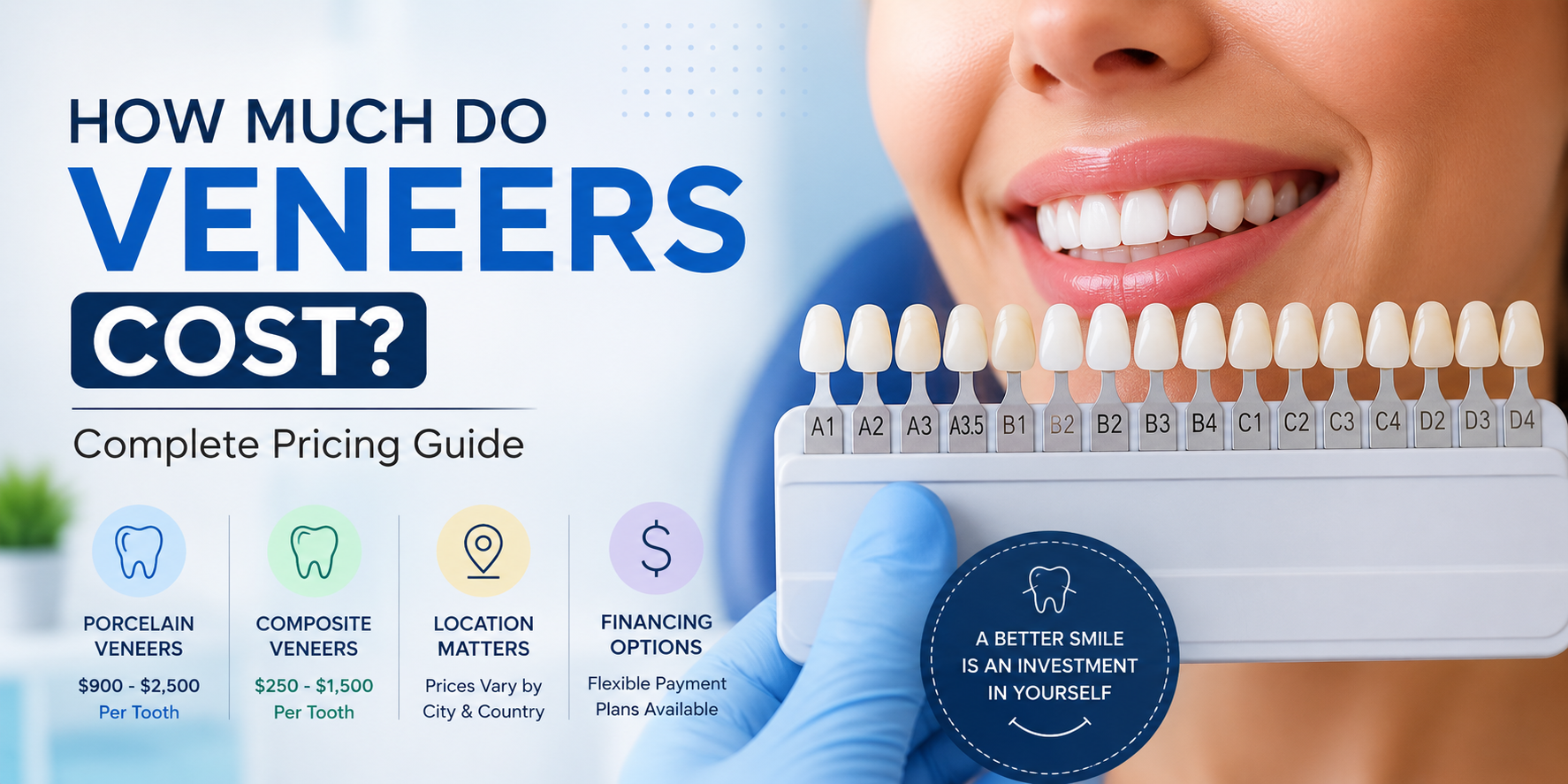
Composite veneers generally cost between $250 and $1,500 per tooth. These veneers are made from resin material that dentists sculpt directly onto the teeth during treatment. Because the procedure often requires less preparation and laboratory work, pricing remains lower than porcelain alternatives.
Many younger patients or people exploring cosmetic dentistry for the first time choose composite veneers because they provide noticeable improvement without a massive financial commitment. Still, they usually do not last as long and may stain more easily over time.
Porcelain Veneers Pricing
Patients researching how much do veneers cost often discover that porcelain veneers typically range from $900 to $2,500 per tooth. These veneers are custom-made in a dental laboratory using durable ceramic materials that closely mimic natural enamel.
Porcelain veneers are more expensive because they require detailed planning, precision shaping, laboratory fabrication, and multiple appointments. However, their durability, stain resistance, and realistic appearance make them the preferred option for many cosmetic dentists.
No-Prep Veneers and Premium Brands
Some premium veneer systems such as Lumineers or ultra-thin no-prep veneers can cost even more. Prices often fall between $1,200 and $3,000 per tooth depending on the clinic and complexity of the case.
These systems reduce enamel removal, which appeals to patients wanting a more conservative cosmetic procedure. Yet not every smile qualifies for no-prep treatment because tooth shape and alignment play major roles in candidacy.
Factors That Affect How Much Do Veneers Cost
There is no universal price for veneers because every smile requires a customized treatment plan. Dentists evaluate multiple clinical and cosmetic considerations before creating a quote.
Dentist Experience and Reputation
Highly experienced cosmetic dentists generally charge more for veneers. Their expertise often includes advanced smile design training, aesthetic planning, and years of specialized work with veneer cases.
Patients frequently pay premium rates for dentists known for celebrity smile makeovers or complex cosmetic restorations. While higher fees may seem intimidating, experienced providers often produce more natural and longer-lasting results.
Number of Teeth Being Treated
One of the largest pricing factors involves the number of veneers needed. Some people only require two front veneers to fix chips or discoloration. Others may need eight to ten veneers for a complete smile transformation.
A full smile makeover naturally increases overall treatment cost. Even though clinics sometimes offer package pricing, multiple veneers still represent a significant investment.
Geographic Location
Location strongly influences dental pricing. Veneers in large metropolitan areas usually cost more because of higher operating expenses, advanced clinic overhead, and stronger demand for cosmetic dentistry.
Patients in cities such as Los Angeles, New York, or London often pay substantially more compared to smaller towns or suburban areas.
Dental Preparation and Additional Procedures
Some patients require gum contouring, cavity treatment, teeth whitening, or orthodontic correction before veneers can be placed. These preparatory treatments increase the total cost.
For example, untreated gum disease or tooth decay must usually be resolved before cosmetic work begins. This ensures veneers remain stable and healthy over time.
How Much Do Veneers Cost Compared to Other Cosmetic Treatments?
Veneers are not the only cosmetic dental option available. Comparing them with alternatives helps patients understand where the investment fits within broader smile enhancement treatments.
Veneers vs Teeth Whitening
Professional whitening treatments usually cost between $300 and $1,000. Whitening works well for surface stains but cannot correct chipped teeth, spacing issues, or irregular tooth shape.
Veneers cost more because they provide structural and aesthetic transformation rather than color enhancement alone.
Veneers vs Dental Bonding
Dental bonding often costs less than veneers, typically ranging from $150 to $600 per tooth. Dentists use bonding resin to repair minor imperfections quickly.
While bonding is affordable, it generally lacks the durability and stain resistance associated with porcelain veneers. Patients seeking long-term cosmetic stability often choose veneers despite the higher cost.
Veneers vs Crowns
Dental crowns can cost between $800 and $3,000 per tooth depending on materials and complexity. Crowns cover the entire tooth structure, while veneers only cover the front surface.
Crowns are usually necessary when teeth are structurally weak or heavily damaged. Veneers remain a more conservative cosmetic choice for healthier teeth.
Are Veneers Worth the Cost?
People researching how much do veneers cost often wonder whether the investment truly pays off. For many patients, veneers provide both cosmetic and emotional benefits that extend beyond appearance alone.
Confidence and Social Impact
A brighter, balanced smile can significantly improve self-confidence. Many patients report feeling more comfortable during conversations, photographs, interviews, and professional interactions after receiving veneers.
Smile aesthetics influence first impressions more than many people realize. Veneers can help create symmetry, brightness, and consistency that improve facial harmony.
Longevity and Durability
Porcelain veneers commonly last between 10 and 20 years when properly maintained. Composite veneers typically last 4 to 8 years before repairs or replacement become necessary.
The longer lifespan of porcelain helps justify the higher upfront cost for patients wanting lasting cosmetic improvement.
Minimal Maintenance Requirements
Veneers do not require complicated maintenance routines. Daily brushing, flossing, and regular dental visits remain the foundation of care.
Patients should still avoid habits such as chewing ice, biting hard objects, or using teeth as tools because these behaviors can damage veneers over time.
Insurance Coverage and Financing Options
Most dental insurance plans classify veneers as cosmetic procedures, which means they are rarely fully covered. However, there are situations where partial coverage may apply if veneers restore damaged teeth after injury or medical necessity.
Dental Financing Plans
Many clinics offer monthly payment plans through third-party financing companies. These arrangements allow patients to spread treatment costs across several months or years.
Interest-free promotional periods may also be available for qualified applicants. Financing makes premium cosmetic procedures more accessible for people who cannot pay upfront.
Health Savings Accounts and Flexible Spending Accounts
Some patients use Health Savings Accounts (HSAs) or Flexible Spending Accounts (FSAs) to help reduce out-of-pocket expenses. Eligibility depends on local tax regulations and the reason for treatment.
Consulting a financial advisor or benefits coordinator can clarify what expenses qualify.
How to Choose the Right Veneers Without Overspending
Choosing veneers should involve more than searching for the cheapest clinic online. Poorly designed veneers can look unnatural, damage tooth structure, or require costly corrections later.
Review Before-and-After Cases
Experienced cosmetic dentists usually maintain extensive smile galleries showing previous patient transformations. Reviewing these examples helps determine whether the dentist’s aesthetic style matches your goals.
Natural-looking veneers should complement facial features rather than appear excessively white or oversized.
Ask About Materials and Lab Quality
High-quality dental laboratories significantly influence veneer appearance and durability. Premium ceramic materials tend to reflect light more naturally and resist staining better over time.
Patients should ask whether veneers are handcrafted by experienced ceramists or mass-produced through low-cost systems.
Understand Replacement Expectations
Even the best veneers eventually require replacement. Patients should discuss long-term maintenance costs before beginning treatment.
Knowing how long veneers typically last allows better financial planning and realistic expectations.
Common Mistakes Patients Make When Evaluating Veneer Costs
Focusing only on price can lead to disappointing outcomes. Cosmetic dentistry requires precision, artistry, and careful planning.
Choosing Extremely Cheap Veneers
Very low-cost veneers may involve lower-grade materials, rushed treatment planning, or inexperienced providers. These cases sometimes result in bulky appearance, gum irritation, or unnatural color matching.
Correcting failed cosmetic dentistry often costs far more than getting quality work initially.
Ignoring Oral Health Before Treatment
Healthy gums and teeth create the foundation for successful veneers. Patients who ignore underlying dental problems may experience complications later.
Comprehensive examinations and diagnostic imaging help prevent expensive future repairs.
Expecting Permanent Perfection
Veneers improve aesthetics significantly, but they are not indestructible. Lifestyle habits, grinding, accidents, and aging can still affect results over time.
Realistic expectations usually lead to greater long-term satisfaction.
Quick Key Takeaways
- Porcelain veneers generally cost between $900 and $2,500 per tooth.
- Composite veneers are more affordable but usually have shorter lifespans.
- Dentist expertise and laboratory quality strongly affect final results.
- Most insurance plans do not fully cover cosmetic veneers.
- Financing plans can make treatment more manageable financially.
Important Things to Remember
- Cheap veneers may lead to expensive corrections later.
- Proper oral hygiene helps veneers last longer.
- Veneers improve appearance but still require routine dental care.
- Consultation appointments are essential for accurate pricing estimates.
- Long-lasting cosmetic results depend on both materials and dentist skill.
Final Thoughts on How Much Do Veneers Cost
Understanding how much do veneers cost requires looking beyond a single price tag. Material quality, dentist expertise, smile complexity, and geographic location all influence total investment. Composite veneers offer an affordable entry point, while porcelain veneers provide superior durability and aesthetics for patients seeking long-lasting transformation.
The best veneer decisions balance cosmetic goals, oral health needs, and financial comfort. Patients who prioritize skilled cosmetic dentistry and proper maintenance often enjoy confident smiles for many years.
You May Also Read: Graphic Design Ideas Generator GFXDigitational: A Complete Guide to Creative Innovation