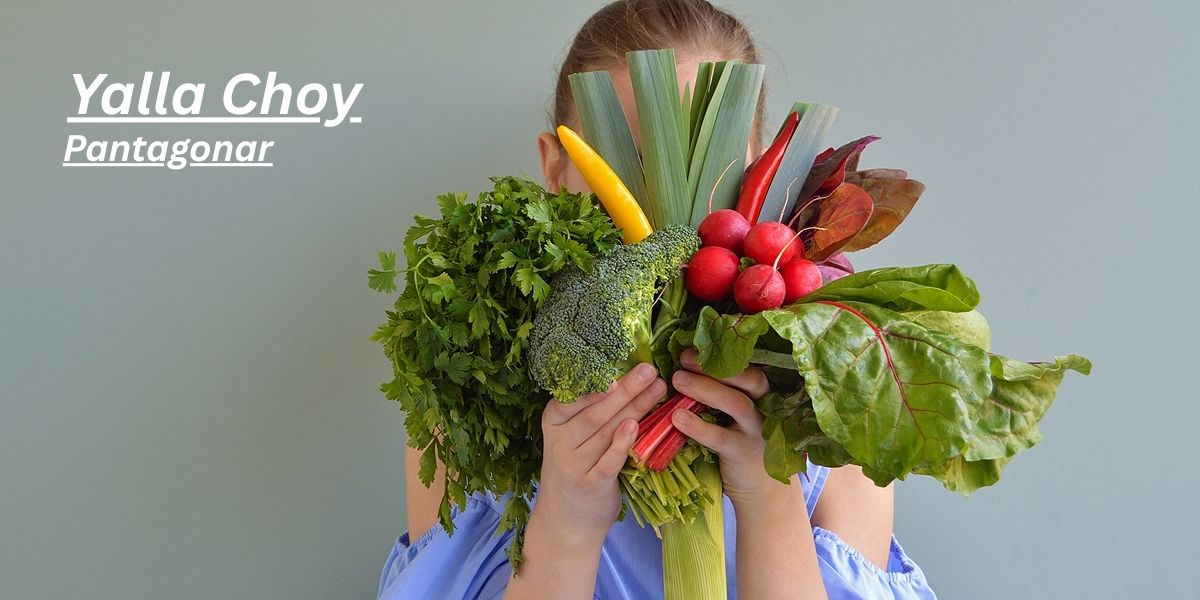
Yalla choy is one of those vegetables that has quietly fed millions of people across Asia for centuries, yet only now is it receiving the global recognition it genuinely deserves. Known botanically as Ipomoea aquatica and referred to by many names — water spinach, kangkong, ong choy, rau muong — this semi-aquatic leafy green sits at an exciting crossroads of culinary tradition, modern nutrition science, and sustainable agriculture. If you have been searching for a vegetable that is affordable, fast-cooking, nutritionally rich, and adaptable to dozens of recipes, yalla choy belongs on your radar right now.
What Is Yalla Choy and Where Does It Come From?
Botanical Identity and Origin
Yalla choy belongs to the genus Ipomoea, the same plant family that gives us sweet potatoes. Its scientific name, Ipomoea aquatica, reflects its deeply aquatic nature — this is a plant that thrives where most vegetables refuse to grow: along riverbanks, flooded rice paddies, marshy fields, and the edges of ponds. Native to tropical and subtropical Asia, it has been cultivated for over a thousand years across regions stretching from southern China down through Southeast Asia and into South Asia.
The name itself is a clever linguistic blend. “Yalla” echoes the Arabic expression meaning “let’s go” or “hurry up” — a fitting description for a plant known for its remarkably rapid growth. “Choy” draws directly from the Cantonese word for vegetable, as in the well-known “ong choy.” Together, the name feels energetic, modern, and immediately memorable, which is part of why it has caught on among health-conscious communities worldwide.
Physical Characteristics
Visually, yalla choy is distinctive. Its stems are hollow and slender, snapping cleanly when fresh, with a satisfying crunch that signals nutritional integrity. The leaves are lance-shaped or arrow-shaped, deep green, glossy, and soft to the touch. Unlike kale or collard greens — which demand time and heat to tenderize — yalla choy’s leaves are naturally delicate, requiring only minutes of cooking to reach their ideal texture. The hollow stems contrast beautifully with the melting softness of the leaves, giving well-prepared dishes a pleasing textural range.
Two primary varieties appear in markets. The green-stem variety (Ching Quat) is grown in moist soil and tends to have a slightly firmer texture. The white-stem variety is cultivated in standing water and produces thinner, more tender leaves. Both are nutritionally comparable, though cooks in Cantonese cuisine often favor the white-stem type for stir-fries.
Yalla Choy Nutritional Profile: Why It Earns Superfood Status
Core Vitamins and Minerals
The nutritional density of yalla choy punches well above its weight class. Per 100 grams of raw vegetable, it delivers approximately 19 kilocalories — making it one of the lowest-calorie greens available — while simultaneously providing substantial quantities of vitamins A, C, and K, along with iron, calcium, and dietary fiber.
Vitamin A content supports vision health, immune system regulation, and skin integrity. Vitamin C acts as a potent antioxidant, supports collagen production, and enhances the body’s ability to absorb non-heme iron from plant sources — a critical benefit for those following vegetarian or vegan diets. The iron content in yalla choy supports hemoglobin formation and sustainable energy metabolism, while calcium and vitamin K collaborate to maintain bone density and reduce fracture risk over time.
Antioxidants and Phytonutrients
Beyond its core vitamins, yalla choy contains meaningful concentrations of phytonutrients, including chlorophyll, beta-carotene, and lutein. These compounds contribute to its anti-inflammatory properties and its capacity to neutralize free radicals that accelerate cellular aging. The natural fiber content also supports a healthy gut microbiome, promotes regular digestion, and can help moderate post-meal blood sugar responses.
Research compiled by the Food and Agriculture Organization has documented water spinach’s historical role as a nutritional staple during food-scarce seasons across Asia, precisely because its rapid-growing nature and dense micronutrient content made it reliable and life-sustaining. That legacy of nutritional dependability is not incidental — it is baked into the plant’s biology.
Culinary Uses of Yalla Choy Across Asia
How Yalla Choy Is Cooked in Different Cultures
Few vegetables travel as gracefully across culinary traditions as yalla choy does. In Cantonese kitchens, it is most commonly stir-fried at high heat with generous amounts of minced garlic and fermented bean curd (fuyu), which creates a deeply savory, creamy coating around the tender leaves and crisp stems. The dish takes under five minutes to prepare and reliably appears on the tables of both home cooks and high-end dim sum restaurants.
In Malaysia, Indonesia, and Singapore, the preparation that defines yalla choy is Sambal Kangkong — a fiery, fragrant dish where the greens are wok-tossed with a paste of dried chilies, toasted shrimp paste (belacan), and garlic. The smokiness of the belacan penetrates the hollow stems, creating layers of flavor far more complex than the simplicity of the vegetable might suggest.
In Vietnam, rau muong is typically blanched and served alongside pho or rice dishes, providing a cooling, fresh counterpoint to rich broths. Thai cooks incorporate phak bung into soups and curries, while in Bangladesh and West Bengal, kolmi saag is prepared with nigella seeds and green chilies for a dish that feels both familiar and regionally distinctive.
Modern Applications Beyond Traditional Cooking
Contemporary health-conscious cooking has expanded yalla choy’s reach considerably. Its mild, slightly sweet flavor — which is noticeably less earthy than regular spinach and far less bitter than kale — makes it an accessible green for people who have historically resisted dark leafy vegetables. It works well as a base in grain bowls, blends smoothly into green smoothies without overpowering other flavors, and holds its structure adequately in wraps and sandwiches.
Because yalla choy cooks in two to four minutes through blanching or stir-frying, it is genuinely practical for weeknight meals. Quick cooking also preserves its vibrant green color and prevents nutrient degradation, which is a common problem with more delicate greens that turn limp and dull under heat.
How to Select, Store, and Prepare Yalla Choy
Selecting Fresh Yalla Choy
Quality selection begins at the point of purchase. Look for bunches with firm, vibrant green leaves that show no signs of yellowing, wilting, or sliminess. The stems should snap cleanly — a clean break indicates freshness and appropriate moisture levels. Bunches with flowering tops are past their prime, as the plant channels energy into reproduction rather than leaf development at that stage. Farmers markets and Asian grocery stores tend to carry fresher stock than conventional supermarkets, simply because the supply chain is shorter and the turnover faster.
Proper Cleaning and Preparation
Because yalla choy grows in aquatic or semi-aquatic environments, thorough cleaning is essential before cooking. Trim the bottom inch of the stems, which can be woody and fibrous. Submerge the greens in a large bowl of cold salted water for three to five minutes — salt helps dislodge any soil, insects, or residue that may be clinging to the leaves. Rinse under running water until completely clean, then drain and shake dry.
For most preparations, separating the tougher stems from the more delicate leaves allows for staggered cooking: the stems go into the wok or pot first and cook for one to two minutes, followed by the leaves for a final sixty to ninety seconds. This technique ensures that neither part is over- or undercooked.
Storage Guidelines
Fresh yalla choy should be refrigerated in a loosely sealed plastic bag with a slightly damp paper towel to maintain moisture. It remains at its best for two to three days after purchase. Blanched and frozen, it can last up to three months, though the texture softens somewhat after freezing. For maximum flavor and nutritional value, consuming it fresh remains the preferred approach.
Health Benefits of Yalla Choy You Should Know
Immune and Digestive Support
Regular consumption of yalla choy meaningfully supports immune function through its dual action of vitamin C and zinc-supporting phytonutrients, which work together to stimulate white blood cell production and reduce systemic inflammation. Its natural fiber content — soluble and insoluble — feeds beneficial gut bacteria, promotes intestinal motility, and supports the kind of microbiome diversity that researchers increasingly associate with broad systemic health outcomes, from mental clarity to metabolic efficiency.
Bone Health and Cardiovascular Benefits
Vitamin K and calcium, both present in notable quantities in yalla choy, form a powerful partnership for skeletal health. Vitamin K activates osteocalcin, a protein necessary for binding calcium to bone mineral matrix. For individuals on plant-based diets who may struggle to meet bone-density recommendations, yalla choy offers a genuinely useful dietary contribution.
From a cardiovascular perspective, the antioxidant compounds in yalla choy help reduce oxidative stress on arterial walls, while its potassium content supports healthy blood pressure regulation. These are not dramatic therapeutic claims — they are the cumulative, compounding benefits of eating a nutrient-dense green regularly over time.
Traditional Medicinal Uses
Traditional practitioners across Southeast Asia have long used yalla choy to address respiratory irritation, digestive complaints, and skin conditions. While these applications remain largely observational and anecdotal, they reflect a deep cultural understanding of the plant’s anti-inflammatory and cleansing properties developed over generations of use. Modern nutritional science has begun to validate several of these traditional applications, particularly around inflammation reduction and gut health.
Sustainability: Why Yalla Choy Is Good for the Planet
Yalla choy’s environmental footprint is remarkably low. As a semi-aquatic plant, it requires significantly less freshwater irrigation than most conventional crops because it either grows in standing water or moist soil where water is already abundant. It is fast-growing — capable of being harvested multiple times in a single growing season without replanting — and requires minimal synthetic fertilizers or pesticides to produce a healthy yield. This combination of low-input agriculture and high nutritional output makes yalla choy one of the more sustainable vegetables available, aligning naturally with contemporary priorities around food systems and environmental responsibility.
Key Takeaways
- Yalla choy (Ipomoea aquatica) is botanically related to sweet potatoes and is widely known as water spinach, kangkong, or ong choy across Asia.
- It delivers vitamins A, C, and K, iron, calcium, and dietary fiber in a 19-calorie, 100-gram serving.
- Its mild, slightly sweet flavor and rapid 2–4 minute cook time make it highly practical for everyday cooking.
- Signature preparations include Sambal Kangkong (Southeast Asia), garlic and fermented bean curd stir-fry (Cantonese cuisine), and Kolmi Saag with nigella seeds (Bangladesh/West Bengal).
- Cleaning thoroughly in cold salted water is essential given its aquatic growing environment.
- It supports immune health, digestion, bone density, and cardiovascular function through its dense micronutrient and antioxidant profile.
- Environmentally, it is among the most sustainable greens available, requiring minimal water inputs and producing multiple harvests per season.
Yalla choy has earned its place not through marketing or trend cycles, but through the quiet, uninterrupted endorsement of millions of cooks across centuries. Whether you encounter it as kangkong in a Filipino market, ong choy in a Cantonese restaurant, or yalla choy in a modern wellness kitchen, you are looking at the same remarkable plant — one that nourishes efficiently, grows responsibly, and tastes genuinely good. Adding it to your regular rotation is less a dietary experiment and more a return to something that has worked for a very long time.
You May Also Read: Babybelletje: Complete Guide to Meaning, Benefits, and Modern Use in Child Development