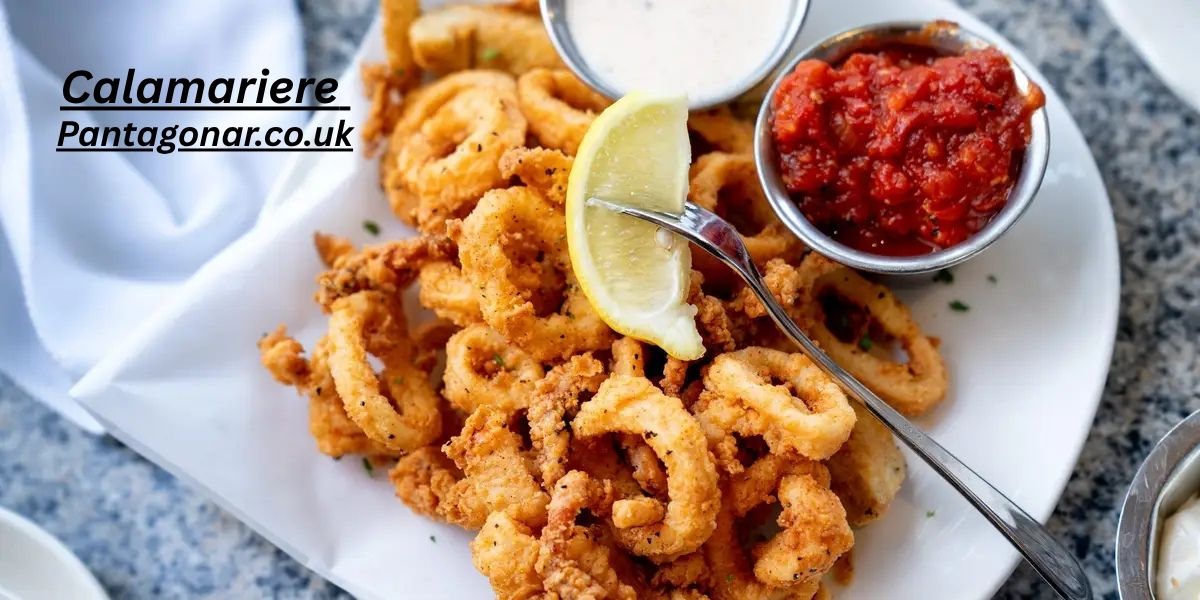
The word calamariere has been recently in the limelight of both culinary and cultural discourse, raising questions among both amateurs and scholars. Although the idea of calamariere is not very popular in general dictionaries, it is usually considered a sophisticated notion, related to squid-dining, culinary art, and local food identity. To appreciate calamariere, we should do better than give it a superficial definition, and consider the origin of the dish, its development, and the significance of calamariere to food culture and contemporary gastronomy.
Understanding Calamariere in Culinary Context
Origins and Linguistic Interpretation of Calamariere
At its core, calamariere appears to derive from the word “calamari,” commonly associated with squid dishes in Mediterranean and European cuisines. The suffix “-iere” suggests a role, style, or specialization—potentially referring to someone skilled in preparing calamari or a culinary approach centered on squid-based recipes.
Historically, language evolves alongside culture, and calamariere likely emerged from informal culinary communities before gradually finding its place in niche discussions. It reflects a blending of traditional seafood preparation with modern culinary identity, giving it both linguistic and cultural depth.
How Calamariere Is Used Today
In contemporary usage, calamariere may refer to a chef, a cooking style, or even a curated dining experience that emphasizes squid dishes. Restaurants focusing on seafood innovation sometimes adopt unique terminologies to distinguish their brand, and calamariere fits within that creative space.
More importantly, the term represents a shift toward specialization. Just as sommeliers focus on wine, a calamariere could be viewed as an expert in squid preparation, highlighting techniques, textures, and flavor pairings that elevate a simple ingredient into a gourmet experience.
The Culinary Techniques Behind Calamariere
Preparation Methods That Define Calamariere
The essence of calamariere lies in technique. Squid is a delicate ingredient that demands precision; overcooking can result in toughness, while undercooking may compromise texture. A calamariere approach prioritizes balance, timing, and method.
Cooking techniques often associated with calamariere include flash frying, grilling, braising, and even raw preparations such as carpaccio. Each method serves a specific purpose, allowing chefs to explore the versatility of squid. For example, flash frying creates a crispy exterior while maintaining tenderness, whereas slow braising infuses deeper flavors.
Flavor Pairings and Culinary Creativity
Calamariere is not just about cooking squid—it’s about pairing it intelligently. Ingredients like garlic, lemon, olive oil, and fresh herbs are staples, but modern interpretations incorporate global influences such as Asian spices, Latin American marinades, and fusion sauces.
The creativity involved in calamariere reflects broader culinary trends. Chefs are no longer confined to traditional recipes; instead, they experiment with textures, plating, and cross-cultural flavors. This innovation transforms calamariere into a dynamic culinary art form rather than a static concept.
Cultural Significance of Calamariere
Regional Influence and Mediterranean Roots
The concept of calamariere is deeply rooted in Mediterranean cuisine, where seafood plays a central role. Countries like Italy, Spain, and Greece have long celebrated squid as a staple ingredient, integrating it into everyday meals and festive dishes alike.
In these regions, calamariere can be seen as an extension of cultural heritage. It embodies the traditions of coastal communities, where fishing practices and culinary techniques have been passed down through generations. The emphasis on freshness, simplicity, and flavor aligns with the principles that define Mediterranean cooking.
Globalization and Modern Interpretations
As global culinary exchange continues to expand, calamariere has evolved beyond its regional origins. International chefs reinterpret traditional squid dishes, incorporating elements from diverse cuisines. This globalization has broadened the scope of calamariere, making it relevant in contemporary gastronomy.
Food media, social platforms, and culinary tourism have further amplified its reach. Diners are now more adventurous, seeking unique dining experiences that go beyond conventional menus. In this context, calamariere represents both authenticity and innovation, appealing to a wide audience.
Why Calamariere Matters in Modern Gastronomy
The Rise of Ingredient Specialization
One of the defining trends in modern gastronomy is specialization. Chefs and culinary professionals increasingly focus on mastering specific ingredients, and calamariere exemplifies this shift. By dedicating expertise to squid, culinary artists can refine techniques, experiment with flavors, and create signature dishes.
This specialization enhances the dining experience. Customers appreciate the depth of knowledge and craftsmanship that goes into each dish, making calamariere a valuable concept in high-end and experimental kitchens.
Sustainability and Seafood Awareness
Calamariere also intersects with sustainability discussions. Squid is often considered a more sustainable seafood option due to its rapid reproduction rate and relatively lower environmental impact compared to other marine species.
By promoting squid-based cuisine, calamariere aligns with eco-conscious dining practices. Chefs can use this concept to educate diners about responsible seafood consumption while delivering exceptional culinary experiences.
How to Embrace Calamariere at Home
Practical Approaches for Home Cooks
Adopting a calamariere mindset at home does not require professional training—it begins with understanding the ingredient. Selecting fresh squid, cleaning it properly, and choosing the right cooking method are essential steps.
Home cooks can start with simple recipes such as lightly fried calamari or grilled squid with herbs. As confidence grows, experimenting with marinades, sauces, and presentation can bring a more refined touch to the dishes.
Elevating Everyday Cooking
Calamariere encourages a thoughtful approach to cooking. Instead of treating squid as just another ingredient, it invites cooks to explore its potential fully. This perspective can transform everyday meals into memorable culinary experiences.
The key lies in attention to detail—timing, seasoning, and presentation all contribute to the final result. By focusing on these elements, anyone can incorporate calamariere principles into their kitchen.
Challenges and Misconceptions About Calamariere
Common Mistakes in Squid Preparation
Despite its appeal, calamariere is often misunderstood due to common cooking errors. Overcooking remains the most frequent issue, leading to a rubbery texture that detracts from the dish.
Another misconception is that squid is difficult to prepare. In reality, with proper guidance and practice, it becomes a manageable and rewarding ingredient. Calamariere seeks to demystify these challenges, emphasizing technique and understanding.
Overcoming Barriers to Adoption
The unfamiliarity of the term itself can be a barrier. Many people are hesitant to explore new culinary concepts, especially when they involve specialized techniques. However, increased awareness and accessible resources are gradually changing this perception.
As more chefs and food enthusiasts embrace calamariere, it is likely to become a recognized and respected concept within the culinary world.
Key Takeaways About Calamariere
Calamariere is more than just a term—it represents a philosophy of cooking that emphasizes expertise, creativity, and respect for ingredients. Understanding its principles can significantly enhance one’s approach to seafood and culinary arts.
- Calamariere focuses on mastering squid-based cuisine through refined techniques and thoughtful preparation.
- It blends traditional Mediterranean roots with modern culinary innovation and global influences.
- The concept supports sustainability by promoting squid as an eco-friendly seafood choice.
- Both professional chefs and home cooks can adopt calamariere principles to elevate their dishes.
Conclusion: The Future of Calamariere
Calamariere stands at the intersection of tradition and innovation, offering a unique lens through which to explore seafood cuisine. Its emphasis on specialization, sustainability, and creativity makes it highly relevant in today’s evolving culinary landscape.
As more chefs and food enthusiasts embrace this concept, calamariere is poised to gain broader recognition. Whether in fine dining establishments or home kitchens, it represents a commitment to excellence and a deeper appreciation for the art of cooking.
You May Also Read: Navigator Pear: A Complete Guide to the Elegant and Resilient Tree