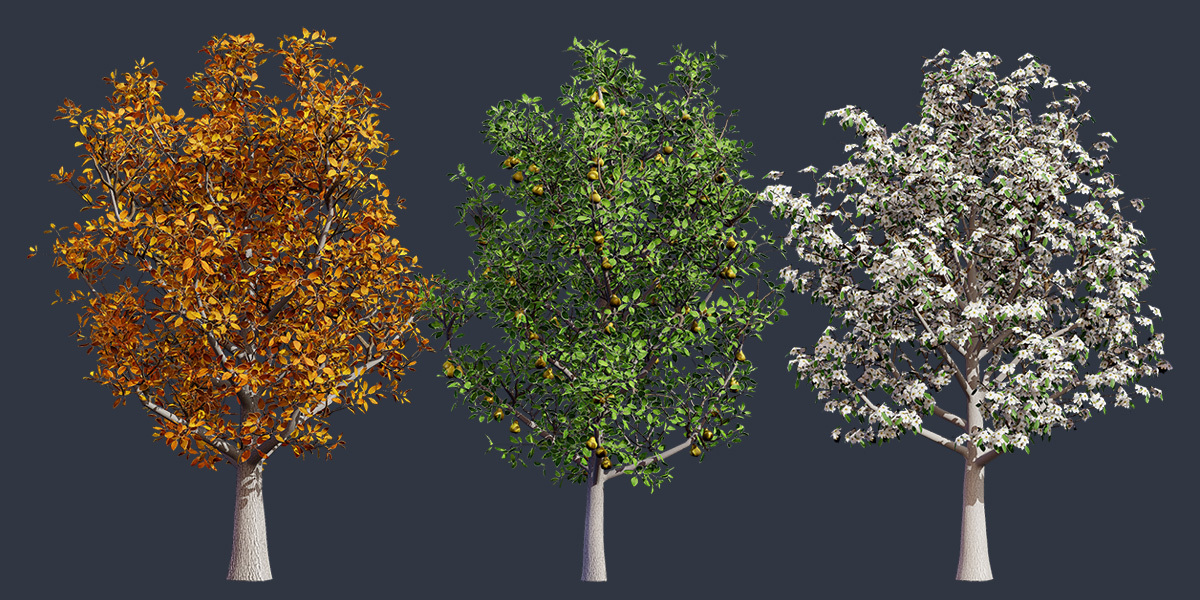
The navigator pear has steadily gained attention among gardeners, landscapers, and horticulture enthusiasts for its striking appearance and adaptability. Known for its ornamental beauty and practical benefits, this tree combines aesthetic charm with resilience, making it a valuable addition to both urban and rural landscapes. Whether you are planning a garden transformation or exploring sustainable planting options, understanding the unique qualities of the navigator pear can help you make informed decisions.
Understanding the Navigator Pear Tree
What Is a Navigator Pear?
The navigator pear is primarily recognized as a cultivated ornamental variety derived from hardy pear species. Unlike traditional fruit-bearing pear trees, this variety is often grown for its decorative appeal rather than fruit production. It features glossy green leaves, symmetrical growth patterns, and seasonal color changes that enhance visual interest throughout the year.
This tree is especially valued for its ability to thrive in diverse climates. Its tolerance to varying soil conditions and resistance to environmental stressors make it a dependable choice for modern landscaping.
Botanical Characteristics of Navigator Pear
The navigator pear is usually a structured upright growing plant. Its canopy is well balanced, a factor that makes it popular in formal gardens designs. In spring, the tree has clustered white flowers that have a breathtaking appearance.
The foliage changes to orange, red, or bronze in autumn, as the seasons change to fall. This seasonal change brings richness and diversity to the outdoor areas, which have made the navigator pear an all-year-round destination.
Why the Navigator Pear Is Popular in Landscaping
Visual Appeal and Design Flexibility
One of the primary reasons the navigator pear is widely used is its versatility in landscape design. Its clean lines and predictable growth pattern allow it to fit seamlessly into both contemporary and traditional settings. Whether used as a standalone feature or planted in rows for symmetry, the navigator pear enhances spatial harmony.
Additionally, its compact root system reduces the risk of structural damage to nearby pathways or buildings. This makes it particularly suitable for urban environments where space is limited.
Environmental Benefits of the Navigator Pear
Beyond aesthetics, the navigator pear contributes positively to the environment. It provides shade, improves air quality, and supports local biodiversity. The blossoms attract pollinators such as bees, which play a crucial role in maintaining ecological balance.
Its resilience also means fewer chemical treatments are required, making it an environmentally friendly choice for sustainable landscaping.
Growing and Caring for a Navigator Pear
Ideal Soil and Climate Conditions
The navigator pear thrives in well-drained soil with moderate fertility. While it can tolerate a range of soil types, slightly acidic to neutral pH levels are considered optimal. The tree performs best in regions with moderate temperatures, although it can adapt to both warm and cooler climates.
Proper sunlight exposure is essential for healthy growth. Planting the navigator pear in a location that receives full sun ensures vibrant foliage and abundant flowering.
Watering and Maintenance Practices
It is important to water the plants regularly in the initial phases of growth. When well-established, the pear of the navigator can be considered drought-tolerant. Nevertheless, the ideal way of keeping it healthy and looking good is by following a routine of watering in dry seasons.
Another care consideration is pruning. Elimination of dead or overcrowded branches enhances circulation of air and stimulates healthy structural framework. Proper maintenance will make sure that the tree has not lost its ornamental quality with time.
Navigator Ornamental Pear vs. Traditional Pear Trees
Key Differences in Purpose and Growth
The navigator pear differs significantly from traditional fruit-bearing pear trees. While the latter are cultivated primarily for their edible produce, the navigator pear is designed for ornamental purposes. Its fruit, if present, is usually small and not suitable for consumption.
Another distinction lies in growth behavior. The navigator pear tends to grow more uniformly, requiring less intensive management compared to fruit trees, which often demand regular pruning and pest control.
Advantages of Choosing Navigator Pear
Choosing the navigator pear offers several practical advantages. Its low maintenance requirements make it ideal for individuals who want a beautiful landscape without extensive upkeep. Additionally, its resistance to common diseases reduces the need for chemical interventions.
These characteristics position the navigator pear as a reliable and cost-effective option for both residential and commercial landscaping projects.
Common Challenges and Solutions
Pest and Disease Management
Although the navigator pear is generally resistant to pests and diseases, it is not entirely immune. Occasional issues such as leaf spots or minor infestations may occur. Early detection and appropriate treatment can prevent these problems from escalating.
Using organic solutions and maintaining proper hygiene around the tree can significantly reduce the likelihood of infections. Regular निरीक्षण (inspection) plays a key role in ensuring long-term health.
Addressing Growth Issues
In some cases, improper planting conditions can lead to stunted growth or poor flowering. Ensuring adequate sunlight, proper spacing, and suitable soil conditions can resolve most growth-related issues.
If the tree appears कमजोर (weak), applying balanced fertilizers can help restore vitality. However, over-fertilization should be avoided, as it may lead to excessive foliage growth at the expense of structural strength.
The Role of Navigator Pear in Modern Urban Planning
Urban Landscaping Trends
In modern urban planning, the navigator pear has emerged as a preferred choice for roadside planting and public spaces. Its ability to withstand pollution and compacted soil conditions makes it suitable for city environments.
Urban planners often use the navigator pear to create visually appealing streetscapes. Its uniform growth and seasonal changes contribute to a cohesive and dynamic urban aesthetic.
Sustainability and Long-Term Value
The navigator pear aligns with sustainability goals by requiring minimal resources while delivering maximum impact. Its durability reduces the need for frequent replacements, making it a cost-efficient investment.
Furthermore, its contribution to green spaces enhances the overall quality of life in urban areas. The presence of trees like the navigator pear has been linked to improved mental well-being and reduced environmental stress.
Navigator Pear Tree in Garden Design
Creating Visual Impact
In garden design, the navigator pear serves as a focal point that draws attention and adds structure. Its vertical growth can be used to frame entrances, line pathways, or define boundaries.
Combining the navigator pear with complementary plants enhances its visual appeal. For example, pairing it with flowering shrubs or ground covers creates a layered effect that adds depth to the landscape.
Seasonal Interest and Color Variation
The changing colors of the navigator pear provide year-round interest. In spring, its blossoms create a soft, elegant look, while autumn brings vibrant hues that transform the garden into a lively display.
This seasonal variation ensures that the garden remains visually engaging throughout the year, reducing the need for frequent redesigns.
Economic and Practical Benefits
Cost Efficiency Over Time
Investing in the navigator pear offers long-term financial benefits. Its low maintenance requirements translate into reduced labor and resource costs. Additionally, its longevity ensures that the initial investment continues to deliver value for years.
Versatility Across Applications
The navigator pear is suitable for a wide range of applications, from residential gardens to commercial landscapes. Its adaptability allows it to meet diverse design and functional requirements.
This versatility makes the navigator pear a practical choice for homeowners, landscapers, and urban planners alike.
Key Takeaways for Growing Navigator Pear
Before you plant or invest in a navigator pear, it’s useful to keep a few practical insights in mind:
- The navigator pear thrives best in full sunlight and well-drained soil, ensuring strong growth and vibrant foliage.
- Regular pruning and moderate watering help maintain its shape and health without requiring intensive care.
- Its ornamental value makes it ideal for landscaping rather than fruit production.
- The tree’s resilience to environmental stress reduces maintenance costs over time.
- Seasonal color changes provide year-round visual appeal, enhancing any outdoor space.
Practical Insights for Long-Term Success
To maximize the benefits of the navigator pear, consistency in care is essential. Understanding its growth patterns and environmental needs allows you to create optimal conditions for its development.
- Choose planting locations carefully to ensure adequate space for canopy expansion.
- Monitor soil quality and make adjustments as needed to maintain nutrient balance.
- Use organic methods for pest control to preserve ecological harmony.
- Plan landscape designs that complement the natural structure of the tree.
- Maintain a регуляр (regular) care routine to ensure longevity and aesthetic value.
Conclusion
The navigator pear stands out as a remarkable combination of beauty, resilience, and practicality. Its ability to adapt to diverse conditions while maintaining a strong visual presence makes it a valuable asset in both private gardens and public spaces. By understanding its characteristics and care requirements, you can fully leverage the benefits of the navigator pear and create landscapes that are both functional and visually compelling.
You May Also Read: Elizabeth Kaplan Suffield: A Comprehensive Insight into Her Life, Work, and Influence