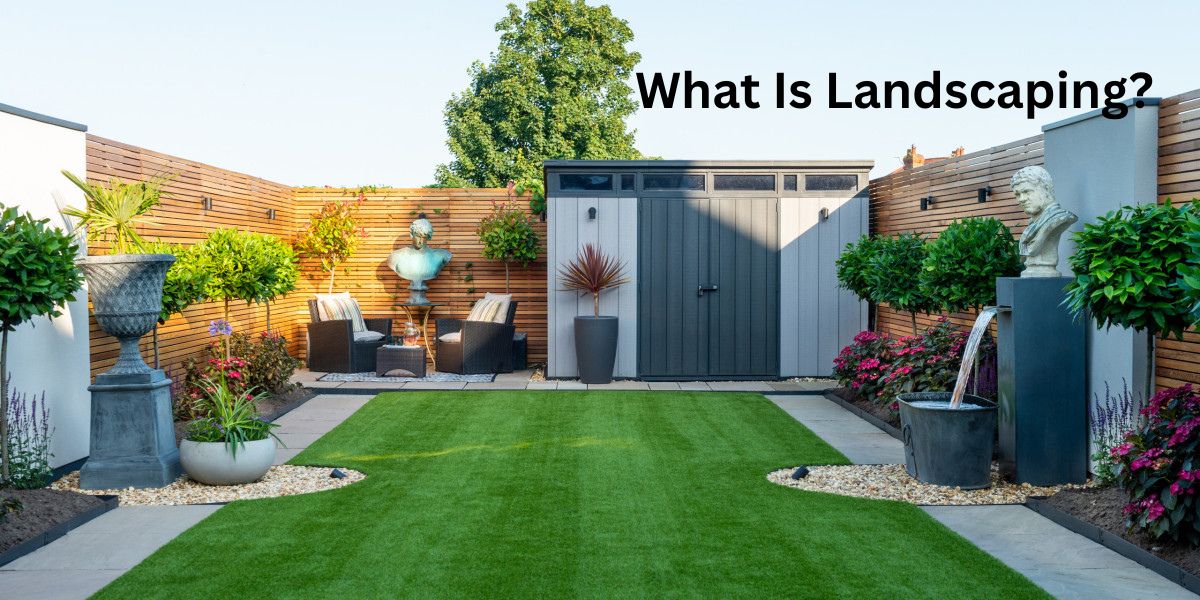
Landscaping is a concept many homeowners and property developers hear often, yet not everyone clearly understands what it truly involves. If you’ve ever asked yourself what is landscaping, the answer goes beyond simply planting flowers or trimming grass. It represents a comprehensive approach to shaping outdoor environments in ways that improve beauty, functionality, sustainability, and property value. In both residential and commercial spaces, landscaping combines elements of design, horticulture, construction, and environmental planning.
Understanding what is landscaping helps people make smarter decisions about outdoor spaces. Whether it is a small backyard garden or a large commercial property, landscaping can transform land into a visually appealing and practical environment that supports human activity and ecological balance.
Understanding What Is Landscaping in Modern Design
When professionals discuss what is landscaping, they are usually referring to the strategic planning and modification of land to achieve aesthetic and functional goals. Landscaping includes planting vegetation, adjusting terrain, installing structures, and managing outdoor features such as pathways, drainage systems, and decorative elements.
The Core Idea Behind Landscaping
At its core, landscaping is about harmony between natural elements and human design. Soil conditions, climate, plant selection, and spatial planning all play important roles. A well-designed landscape does more than look attractive—it creates a comfortable outdoor living experience and improves environmental quality.
Professionals often conduct a landscape analysis before starting any project. This process examines sunlight exposure, soil type, drainage patterns, and surrounding architecture. Understanding these aspects helps landscapers create outdoor spaces that thrive long term rather than requiring constant repairs.
Landscaping as a Blend of Art and Science
Another way to understand what is landscaping is to see it as a balance between creativity and technical knowledge. Landscape designers use artistic principles like symmetry, balance, scale, and color coordination. At the same time, they rely on horticulture knowledge, irrigation planning, and landscape construction methods.
For instance, selecting plants involves more than visual preference. Designers must consider seasonal growth, water requirements, and how plants interact with other features. This is why landscaping is often connected to environmental planning and sustainable design practices.
What Is Landscaping Work and How It Is Done
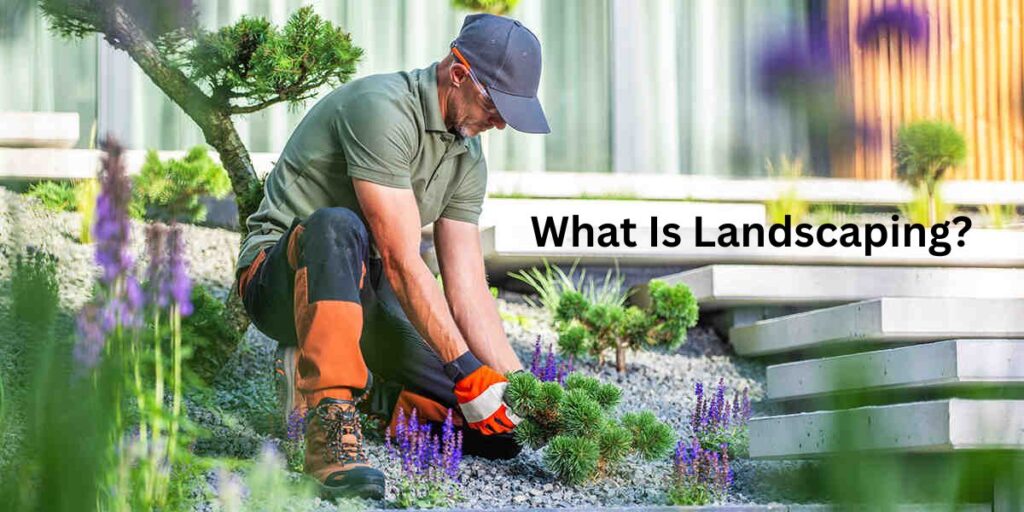
Many people think landscaping only involves gardening, but the scope is much broader. Understanding what is landscaping work reveals the complexity behind creating outdoor environments.
Site Preparation and Landscape Construction
Before planting begins, the land often requires preparation. This stage may include grading the ground, improving soil quality, and creating drainage solutions. These activities are essential in landscaping construction because they ensure the land supports long-term growth and structural stability.
Grading in landscaping is especially important. It shapes the slope of the land to prevent water pooling and directs rainfall away from buildings. Without proper grading, even the most beautiful landscape design can fail over time.
Planting, Hardscaping, and Design Elements
After site preparation, the next phase focuses on vegetation and structural features. Planting trees, shrubs, lawns, and flowers forms the living component of landscaping. Meanwhile, non-living elements—often called hardscape landscaping—include patios, walkways, retaining walls, and decorative stones.
Many people exploring what is landscaping are surprised to learn that hardscape and landscape must work together. For example, a stone pathway may guide visitors through a garden while also preventing soil erosion. Similarly, edging in landscaping helps define garden beds and creates clean visual boundaries.
Ongoing Landscape Maintenance
Landscaping does not end after installation. Maintenance is an essential part of the process. Landscape maintenance includes lawn care, pruning, irrigation adjustments, pest management, and seasonal planting updates.
Proper maintenance ensures the landscape remains healthy and visually appealing throughout the year. It also protects the investment made during the initial landscaping design and construction phase.
Types of Landscaping Used in Residential and Commercial Spaces
To fully grasp what is landscaping, it helps to examine the different forms it can take. Landscaping styles vary depending on purpose, environment, and property type.
Residential Landscaping
Residential landscaping focuses on private homes and personal outdoor spaces. It often includes gardens, patios, outdoor seating areas, and decorative features that enhance comfort and relaxation.
Homeowners frequently choose landscaping projects to increase curb appeal. A well-designed front yard can make a house look more welcoming and even raise its market value. Residential landscaping may also include interior landscaping elements such as indoor plants in patios, courtyards, or atriums.
Commercial Landscape Design
Commercial landscape design is used for offices, shopping centers, hotels, and public institutions. Here, landscaping must balance aesthetics with functionality and safety. Pathways, parking area greenery, and outdoor gathering spaces are planned carefully to handle heavy foot traffic.
In commercial settings, landscaping also contributes to brand image. Businesses often invest in professional landscape construction because a visually appealing environment improves customer experience and employee satisfaction.
Cultural and Environmental Landscapes
Another dimension of what is landscaping appears in cultural landscapes. These landscapes reflect human activity, history, and identity. In human geography, cultural landscapes show how communities shape land according to traditions, agriculture, or architecture.
Environmental landscaping, on the other hand, emphasizes sustainability. It may include rain gardens, swales for drainage control, native plants, and eco-friendly irrigation systems that conserve water.
Key Elements That Define a Professional Landscape
When experts explain what is landscaping, they often focus on the core components that define a successful design. Each element works together to create a balanced outdoor environment.
Terrain Shaping and Land Features
Terrain modification plays a major role in landscape design. Berms, swales, and grading adjustments shape the land to manage water flow and improve visual interest. These landforms also add depth and dimension to otherwise flat spaces.
For example, a berm in landscaping can create a natural-looking mound that adds privacy or blocks noise from nearby roads. Similarly, a swale helps direct rainwater away from buildings and reduces flooding risks.
Plant Selection and Ecological Balance
Plants form the living foundation of landscaping. Designers select trees, shrubs, grasses, and flowers based on climate compatibility and soil conditions. Native plants are increasingly popular because they require less water and maintenance.
The selection process also considers seasonal changes. A balanced landscape often includes plants that bloom at different times of the year, ensuring the outdoor space remains vibrant throughout changing seasons.
Functional Outdoor Spaces
Modern landscaping also focuses heavily on usability. Outdoor kitchens, seating areas, pathways, and lighting systems are integrated into landscape designs to support daily living. These features turn simple yards into multifunctional environments for relaxation, entertainment, and productivity.
This aspect further clarifies what is landscaping—it is not just decoration but the transformation of land into a practical extension of indoor living space.
Why Landscaping Matters Today
The importance of landscaping has grown significantly in recent years. Urban development, environmental concerns, and lifestyle changes have made landscape planning more valuable than ever. Understanding what is landscaping reveals how it affects property value, sustainability, and quality of life.
Landscaping improves environmental health by supporting biodiversity and reducing urban heat. Trees and plants filter air pollutants and create cooler microclimates around buildings. Additionally, strategic landscaping helps manage stormwater and prevents soil erosion.
From an economic perspective, landscaping can increase property value and attract potential buyers or customers. Real estate experts often emphasize that well-maintained landscapes create strong first impressions. Businesses and homeowners alike benefit from investing in professional landscaping services.
Equally important is the psychological impact. Green spaces are known to reduce stress, enhance mood, and encourage outdoor activities. Thoughtfully designed landscapes contribute to healthier lifestyles and stronger community environments.
The Difference Between Landscaping and Hardscaping
People researching what is landscaping frequently encounter the term hardscaping, which can create confusion. While both are related, they represent different aspects of outdoor design.
Landscaping generally refers to the overall design and living elements such as plants, lawns, and gardens. Hardscaping, by contrast, focuses on the non-living structures built into the environment. Examples include stone patios, retaining walls, decks, and pathways.
In practice, successful landscape projects combine both elements seamlessly. A garden with beautiful plants becomes more functional when supported by durable walkways and seating areas. This integrated approach ensures durability, accessibility, and visual balance.
Practical Insights for Planning a Landscape Project
Anyone exploring what is landscaping with the intention of starting a project should begin with careful planning. Professional landscapers usually start with a landscaping site plan that outlines layout, plant placement, drainage design, and structural features.
A site plan helps property owners visualize how the final landscape will look and function. It also reduces errors during construction and ensures all components work together efficiently.
Budget planning is another important factor. Landscaping projects can vary widely in cost depending on the size of the area, materials used, and design complexity. However, investing in proper design and construction often reduces long-term maintenance expenses.
Quick Key Takeaways
- Landscaping combines design, horticulture, and construction to transform outdoor spaces.
- Understanding what is landscaping helps property owners create functional and visually appealing environments.
- Professional landscaping includes grading, planting, hardscaping, and ongoing maintenance.
- Residential and commercial landscapes serve different goals but follow similar design principles.
- Sustainable landscaping improves environmental health and increases property value.
- Successful landscapes balance natural elements with structural features.
- Planning through a landscape site plan prevents costly mistakes.
- Hardscaping and landscaping work together to create durable outdoor environments.
- Proper plant selection and terrain design ensure long-term landscape success.
- Modern landscaping focuses on usability, sustainability, and aesthetics.
Conclusion
After examining design principles, construction methods, and environmental impacts, it becomes clear that understanding what is landscaping goes far beyond simple gardening. Landscaping is a comprehensive process that transforms land into purposeful outdoor environments that support beauty, usability, and sustainability. From residential gardens to commercial outdoor spaces, landscaping plays a vital role in shaping how people interact with their surroundings. When done thoughtfully, landscaping not only enhances visual appeal but also contributes to healthier ecosystems and more enjoyable living spaces.
Also Read: What Is Geospray? A Deep Guide to the Technology, Uses, and Industry Impact