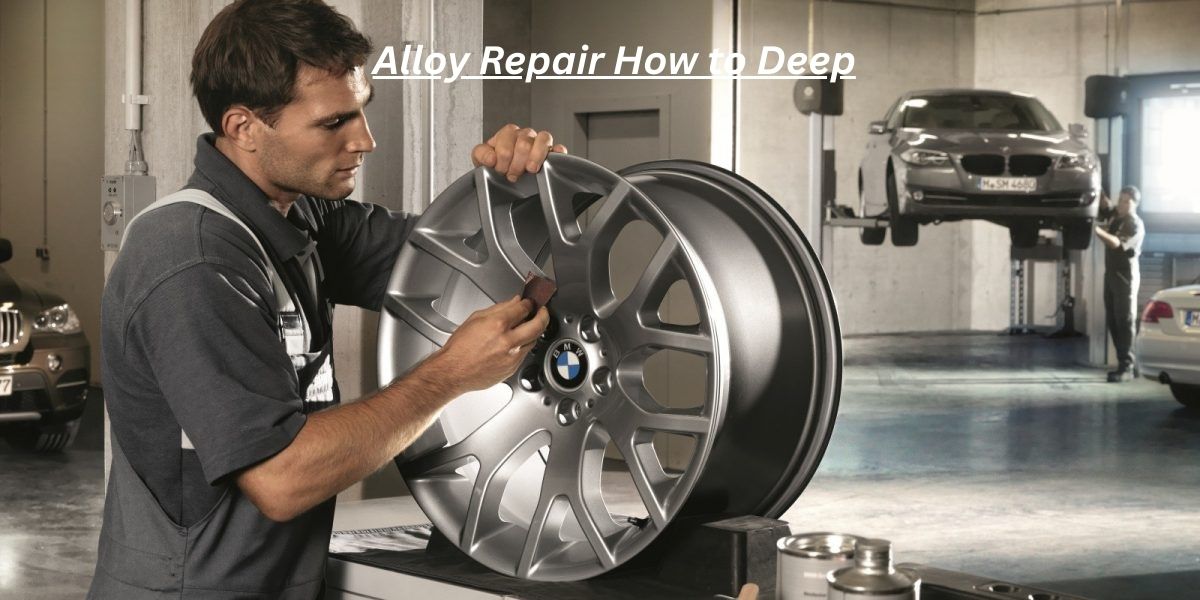
Alloy wheels add strength, style, and performance to modern vehicles, but they are also vulnerable to curb damage, corrosion, and cracks. Understanding alloy repair how to deep is important for anyone who wants to restore wheels professionally or safely attempt a repair at home. Deep alloy damage is different from minor scuffs because it often affects the structural integrity of the wheel, which means the repair process must be precise, controlled, and technically sound.
This guide explains alloy repair how to deep from a professional perspective—covering inspection, preparation, repair techniques, finishing, and long-term durability. Instead of quick fixes, the focus here is on methods that restore both appearance and safety.
Understanding Alloy Wheel Damage Before Starting
Before attempting any repair, it is essential to understand what kind of damage you are dealing with. Deep alloy damage usually occurs when wheels hit potholes, curbs, or rough surfaces at speed. This can create gouges, dents, cracks, or even slight bends in the wheel structure.
Types of Deep Alloy Wheel Damage
When discussing alloy repair how to deep, technicians usually classify damage into several categories. Deep curb gouges are among the most common and typically affect the outer rim surface. Structural cracks, on the other hand, can compromise wheel strength and require specialized repair methods such as welding or reinforcement. Bent rims are another type of deep damage, often caused by strong impacts that alter the wheel’s shape.
Identifying the type of damage is the first step because not every deep alloy issue should be repaired. In some cases, replacement may be safer than repair.
Why Deep Alloy Repair Requires Care
The reason professionals treat alloy repair how to deep seriously is that alloy wheels are made from aluminum-based metals that combine lightweight design with strength. Improper repair techniques—like excessive grinding or poor welding—can weaken the wheel and lead to failure while driving.
Deep repairs must balance three goals: restoring shape, maintaining strength, and achieving a smooth finish that blends with the original wheel design.
How to Repair Deep Scratches on Alloy Wheels
Deep scratches on alloy wheels can be repaired by carefully restoring the damaged surface and refinishing the area. Start by cleaning the wheel thoroughly to remove dirt, grease, and brake dust. Next, sand the scratched area using medium-grit sandpaper to smooth sharp edges, then switch to finer sandpaper to level the surface.
If the scratch is deep, apply a small amount of metal filler designed for alloy wheels and allow it to cure. After it hardens, sand it smooth so it blends with the rim. Apply primer, matching wheel paint, and finally a clear coat to protect the repair and restore the wheel’s original appearance.
Tools and Preparation for Alloy Repair How to Deep
Before the repair process begins, preparation plays a critical role. A proper setup ensures accuracy and safety while working on damaged alloy wheels.
Inspection and Damage Assessment
Professional technicians begin alloy repair how to deep by performing a full inspection of the wheel. This includes checking for hidden cracks, measuring rim alignment, and determining whether the wheel is structurally repairable.
Inspection typically involves:
- Visual examination under strong lighting
- Checking wheel balance and runout
- Identifying corrosion under paint
- Detecting metal fatigue around damaged areas
- Measuring depth of scratches or gouges
- Evaluating the need for welding or straightening
A thorough assessment prevents mistakes later in the process.
Surface Preparation and Cleaning
Once the damage is confirmed repairable, the next step in alloy repair how to deep is surface preparation. Dirt, brake dust, oils, and old coatings must be removed to expose bare metal. This allows repair materials to bond properly.
Technicians typically use degreasers, sanding tools, or media blasting to clean the wheel. Removing paint and oxidation ensures the repair area is clearly visible and ready for restoration work.
Step-by-Step Alloy Repair Process for Deep Damage
Repairing deep damage involves multiple stages. Each stage contributes to restoring the wheel’s strength and visual appearance.
Grinding and Reshaping the Damaged Area
The first technical step in alloy repair how to deep is controlled grinding. This removes sharp edges, damaged metal fragments, and irregular surfaces created by impact.
Grinding must be done carefully because removing too much material can weaken the wheel. Professionals aim to smooth the damaged section without altering the wheel’s original structure.
After grinding, technicians reshape the rim profile to match the original design.
Welding for Cracks and Severe Damage
When cracks are present, welding becomes an essential part of alloy repair how to deep. Specialized aluminum welding techniques are used to fill damaged areas and restore structural integrity.
This process requires expertise because alloy metals react differently to heat compared to steel. Proper temperature control ensures the metal bonds correctly without causing distortion.
Once welding is complete, the repaired area is carefully shaped again to match the wheel’s contour.
Filling Deep Gouges and Surface Imperfections
After structural repairs, technicians move to surface restoration. In alloy repair how to deep, this involves using high-quality metal fillers or specialized compounds designed for alloy surfaces.
These materials are applied to restore the smoothness of the rim. Once hardened, the surface is sanded multiple times to create a seamless finish that blends with the original wheel.
Precision sanding is crucial because any uneven surface will be visible after painting.
Refinishing and Painting the Alloy Wheel
Repairing the structure of the wheel is only part of the process. Refinishing restores the visual appearance and protects the alloy from corrosion.
Priming and Surface Sealing
An important stage in alloy repair how to deep is applying primer. Primer helps seal the repaired metal and ensures paint adheres evenly to the surface.
Professional-grade primers also protect the alloy from moisture, road salt, and oxidation.
This stage is often overlooked in DIY repairs, but it significantly affects the durability of the repair.
Color Matching and Wheel Painting
Modern alloy wheels come in many finishes—silver, matte black, diamond-cut, or custom coatings. Matching the original finish is essential when performing alloy repair how to deep.
Paint is applied in multiple layers to create a uniform surface. After painting, a clear coat is applied to provide shine and long-term protection.
The wheel is then cured using heat or air drying methods depending on the repair environment.
Professional vs DIY Alloy Repair
One of the most common questions about alloy repair how to deep is whether it can be done at home or if professional repair is necessary.
When DIY Repairs Are Possible
Minor deep scratches or moderate gouges can sometimes be repaired at home with the right tools and patience. However, the success of DIY repairs depends heavily on skill level and access to proper equipment.
DIY repairs usually focus on cosmetic restoration rather than structural correction.
When Professional Repair Is Recommended
In cases involving cracks, bent rims, or severe impact damage, professional service is strongly recommended. Experts who specialize in alloy repair how to deep use specialized machinery to restore wheel alignment and ensure safe driving conditions.
Professional repairs also often include wheel balancing and testing after the repair process.
Factors That Affect the Cost of Deep Alloy Repair
The cost of repair varies depending on several factors. Understanding these factors helps vehicle owners decide whether repair or replacement is the better option.
Severity of Damage
The deeper the damage, the more labor and equipment are required. Complex cases of alloy repair how to deep involving welding or reshaping tend to be more expensive than surface repairs.
Wheel Size and Design
Larger wheels or wheels with complex designs require more time to repair and refinish. Diamond-cut finishes, for example, involve additional machining steps.
Repair Method Used
Advanced repair techniques such as CNC machining, professional welding, and full refinishing increase repair costs but provide better long-term results.
How to Prevent Deep Alloy Wheel Damage
Prevention plays a major role in avoiding the need for alloy repair how to deep in the first place. Careful driving habits and regular maintenance can significantly extend the life of alloy wheels.
Avoiding potholes, parking carefully near curbs, and maintaining proper tire pressure can reduce the chances of wheel damage. Regular cleaning also helps prevent corrosion that can weaken alloy surfaces over time.
Protective coatings and wheel sealants are increasingly used to preserve wheel finishes and reduce the risk of damage.
Key Takeaways from Alloy Repair How to Deep
Before finishing, here are some practical insights that summarize the most important aspects of deep alloy wheel repair:
- Deep alloy damage should always be inspected carefully before repair begins.
- Grinding, welding, and filling must be done with precision to maintain wheel strength.
- Proper refinishing is essential to protect the repaired area from corrosion.
- DIY repair is suitable only for limited damage; structural issues require professionals.
- Preventive maintenance can significantly reduce future repair needs.
These points highlight why alloy repair how to deep is both a technical and careful process rather than a quick cosmetic fix.
Final Thoughts on Alloy Repair How to Deep
Restoring damaged alloy wheels requires a blend of technical skill, proper tools, and a clear understanding of how alloy materials behave under stress and repair conditions. When done correctly, alloy repair how to deep can restore both the appearance and structural reliability of a wheel, extending its lifespan and maintaining vehicle safety.
For vehicle owners, the key is knowing when to repair and when to replace. For technicians and enthusiasts, mastering alloy repair how to deep means focusing on precision, patience, and quality finishing techniques that match professional standards.
FAQs About Repairing Alloy Wheel Scratches
1. How to repair deep scratches on alloy wheels?
To repair deep scratches on alloy wheels, start by cleaning the wheel thoroughly. Sand the damaged area with medium-grit sandpaper, then use finer sandpaper to smooth the surface. Apply a metal filler if the scratch is deep, let it dry, and sand it again until even. Finish by applying primer, matching paint, and a clear coat to restore the wheel’s look.
2. Can deep alloy wheel scratches be fixed at home?
Yes, many deep scratches can be repaired at home if the damage is cosmetic and does not affect the wheel’s structure. With proper sanding, filler, and repainting, you can restore the appearance. However, cracks or bent rims should be handled by professionals.
3. How long does it take to repair alloy wheel scratches?
A basic repair can take a few hours, but allowing proper drying time for filler, primer, and paint may extend the process to about one day for the best results.
4. Do repaired alloy wheels look like new?
If the repair is done carefully with proper sanding and color matching, the wheel can look almost like new. Professional repairs usually provide the best finish and durability.
5. What tools are needed to fix deep scratches on alloy wheels?
Common tools include sandpaper of different grits, wheel cleaner, metal filler, primer, matching wheel paint, and a clear coat to protect the repaired area.
Also Read: 9.7.4 Leash: Complete Guide to Understanding and Solving the Exercise