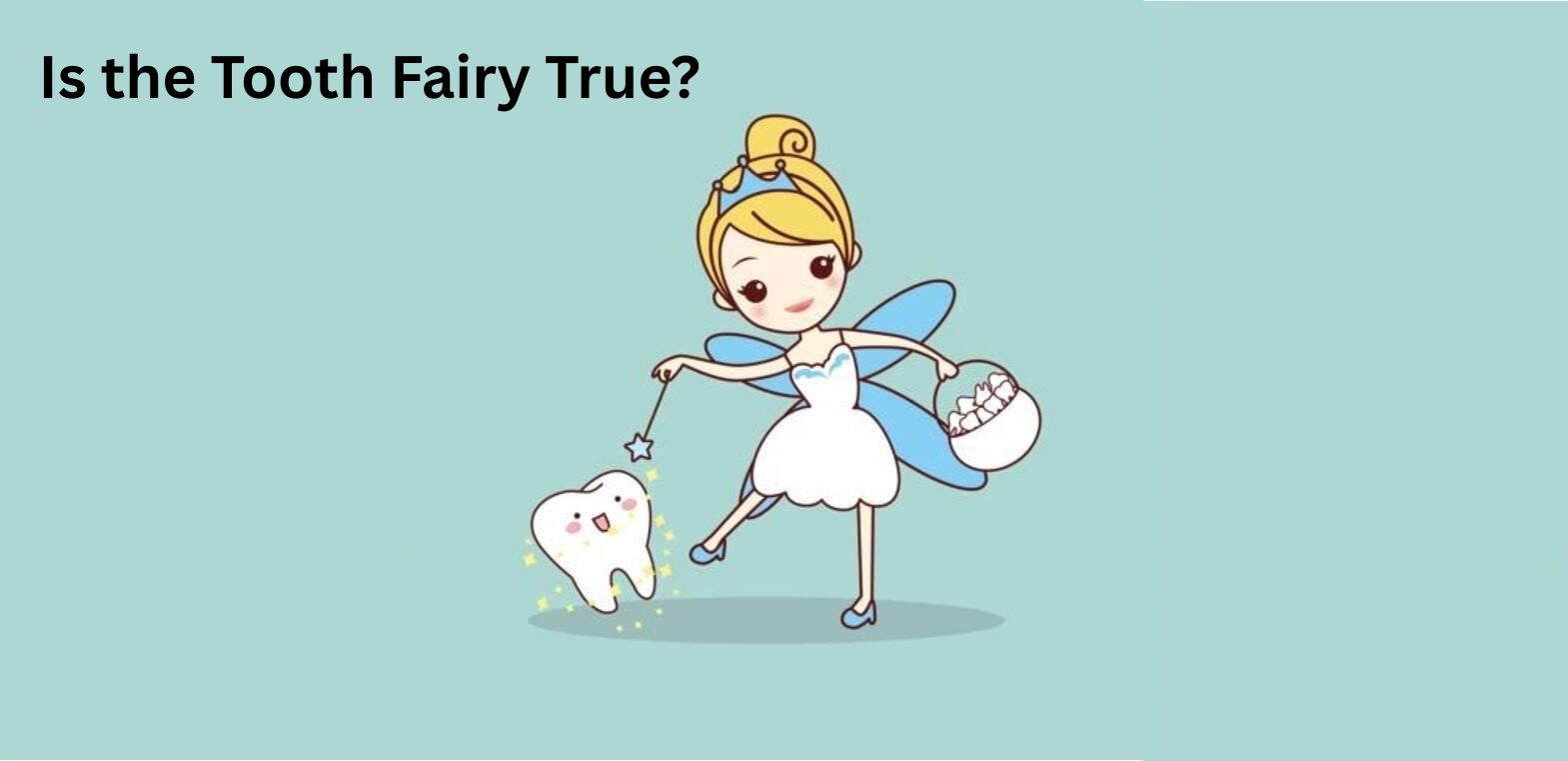
The question is the tooth fairy true has fascinated children and even curious adults for generations. In most cultures, losing a baby tooth is more than just a biology marker, it is shrouded in fantasy, narratives and family values. The idea of a magical figure who exchanges a lost tooth for a small reward under a pillow has become one of the most recognizable childhood rituals worldwide.
But when people ask is the tooth fairy true, they’re often searching for more than a simple yes or no. They would like to know the origin of the story, why parents continue to live up to the tradition, and what psychological or cultural meaning it has to children. To discuss it in detail, it is worth considering history, folklore, and science of childhood beliefs.
The Origins of the Tooth Fairy Legend
Understanding the roots of the tradition helps answer the question is the tooth fairy true from a cultural perspective rather than a literal one.
Early Folklore and Tooth Traditions
Rituals associated with lost teeth existed in society long before the modern version of the Tooth Fairy was invented. An example of this is evident in medieval Europe, where individuals tended to bury or burn the teeth of children since the individuals thought that the teeth could be used by witches to cast magic spells. Children in Scandinavia where the practice was called tooth fee were given small payments regarding their teeth.
Such practices developed over time. At the beginning of the 20th century, authors and parents started to influence the concept of a kind of a merciless fairy who picks up teeth and leaves coins or gifts instead. This revolution caused the tradition to be more child-centered and imaginative.
How the Modern Tooth Fairy Became Popular
The contemporary form of the tooth fairy was popularized in North America in the early 20th century particularly with the popularization of the legend in children books and parenting magazines. It was embraced by families as a calming measure to make the children deal with the slightly frightening experience of losing teeth.
Due to the expansion of media by the use of television, movies, and books, the story went global. Today, when people ask is the tooth fairy true, they are often reflecting on this widely shared cultural narrative rather than an ancient myth alone.
Why Children Believe in Magical Figures
The question is the tooth fairy true is deeply connected to how children think and understand the world.
Imagination and Cognitive Development
According to psychologists, young children just combine fantasy with reality. Many children at the age of between four and eight years like to believe in magical people as it allows them to experiment with creativity and wonder.
Being convinced that such fairy tales as the tooth fairy tradition can effectively help in emotional growth. The event of losing a tooth may be strange or even worrying when a child loses one. The conversion of it into a magic event makes it something exciting and memorable.
This developmental stage is one reason why the question is the tooth fairy true eventually arises as children grow older and begin thinking more logically.
The Role of Parents in the Tradition
The parents are at the center to preserve the tradition. To several families, the ceremony is not about making the kids believe that magic is a reality but rather forming a memorable childhood experience.
Parents usually put small notes, coins or gifts under the pillow and the moment becomes special. Such little gestures will reinforce connections within a family and leave memories that will be recalled even at an adult age.
Is the Tooth Fairy True From a Scientific Perspective?
When examined scientifically, the answer to is the tooth fairy true becomes clearer.
The Biological Reality of Losing Teeth
Naturally the primary teeth are lost by children as permanent teeth start to develop. This begins at about age six and goes on through to a few years. This is one of the reasons that the tradition of a tooth fairy can be useful even nowadays because dentists usually promote positive reinforcement at this age.
Children do not feel fear or feel uncomfortable, they link loss of teeth with anticipation and reward. In that regard the tradition has a practical role despite the magical nature being fictional.
What Research Says About Childhood Beliefs
According to studies conducted in child psychology, having faith in fantasy characters can enhance story telling aptitude, emotional strength and curiosity. Children are eventually taught to know what is fantasy and what is reality.
At that stage, many children begin asking directly, is the tooth fairy true, which becomes an opportunity for parents to talk about imagination, culture, and growing up.
Cultural Variations Around the World
Interestingly, the idea behind the question is the tooth fairy true changes depending on where you live.
Different Traditions for Lost Teeth
A tooth fairy does not exist in all cultures. In Spain and other countries in Latin America, the children receive a little present on a character named “Ratoncito Perez” , a friendly-looking mouse who gathers teeth. Some of the Asian cultures will put their teeth on the roof or bury them and make their wishes.
The differences notwithstanding, the basic concept is the same across the board: it is the transformation of a natural childhood event into a highly significant ceremony.
Why These Stories Continue Across Generations
Stories live on since they bridge generations. Parents still recall how they were excited as kids and they wish to go through the same experience with their kids. Although children eventually get to know the truth, the custom is a sweet memory.
This is why the question is the tooth fairy true continues to appear online and in conversations year after year.
The Emotional Value of the Tooth Fairy Tradition
Taking a closer look at the tradition, you will know why it is not just some form of entertainment.
Helping Children Handle Change
Loss of teeth is development. It might seem like a major event in the life of a child. The tooth fairy tale serves to cushion that transition by bringing a positive emotional dimension to it.
Parents will tend to use the tradition to celebrate milestones, promote good dental hygiene, and to applaud boldness.
Building Wonder in Childhood
The experiences in childhood that are filled with imaginary experiences are usually not forgotten. Even adults who know the answer to is the tooth fairy true still remember the excitement of placing a tooth under their pillow.
Such wandering moments are some of the storytelling traditions of families and cultures.
Key Takeaways Before Answering the Question
Before giving a final perspective on is the tooth fairy true, it helps to highlight the most important insights:
- The tooth fairy is a cultural tradition rather than a real supernatural figure.
- The story evolved from older folklore about protecting or rewarding lost teeth.
- Psychologists say believing in magical stories can support creativity and emotional growth in children.
- Parents maintain the tradition to create positive memories and celebrate childhood milestones.
- Similar customs exist around the world, showing how universal the experience of losing teeth is.
Final Perspective: Is the Tooth Fairy True?
So, is the tooth fairy true in a literal sense? From a factual standpoint, the tooth fairy is a fictional character created through folklore and storytelling. However, the tradition itself is very real in terms of cultural significance and emotional impact.
For many families, the tooth fairy represents imagination, celebration, and the joy of growing up. While children eventually learn the truth, the excitement and memories created during those years often last a lifetime. In that way, the tradition continues to hold meaning far beyond the simple question of whether magic is real.
Also Read: What Is an Endodontist? A Complete Guide to This Dental Specialist